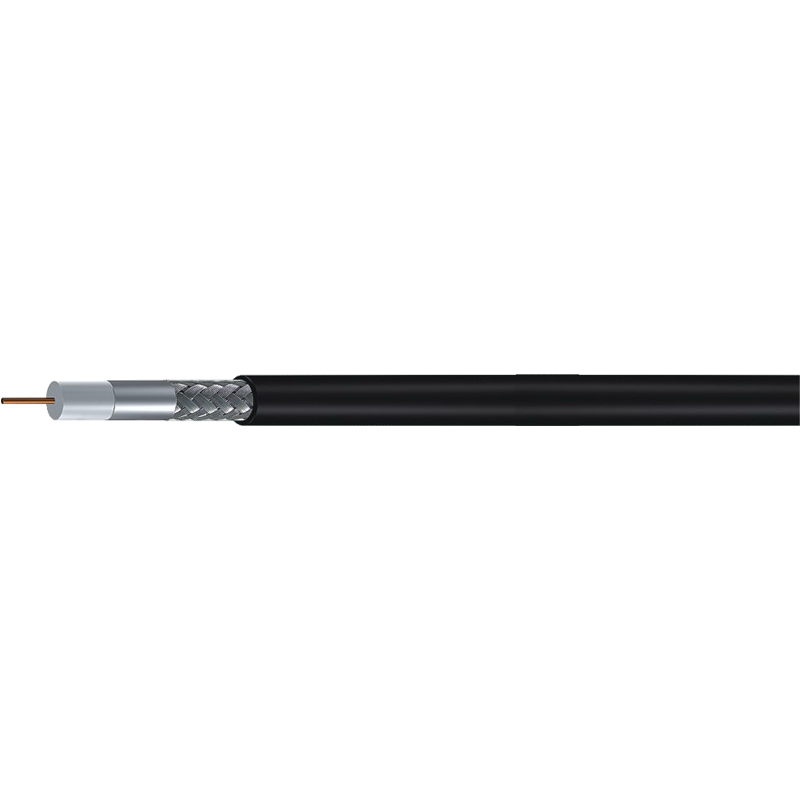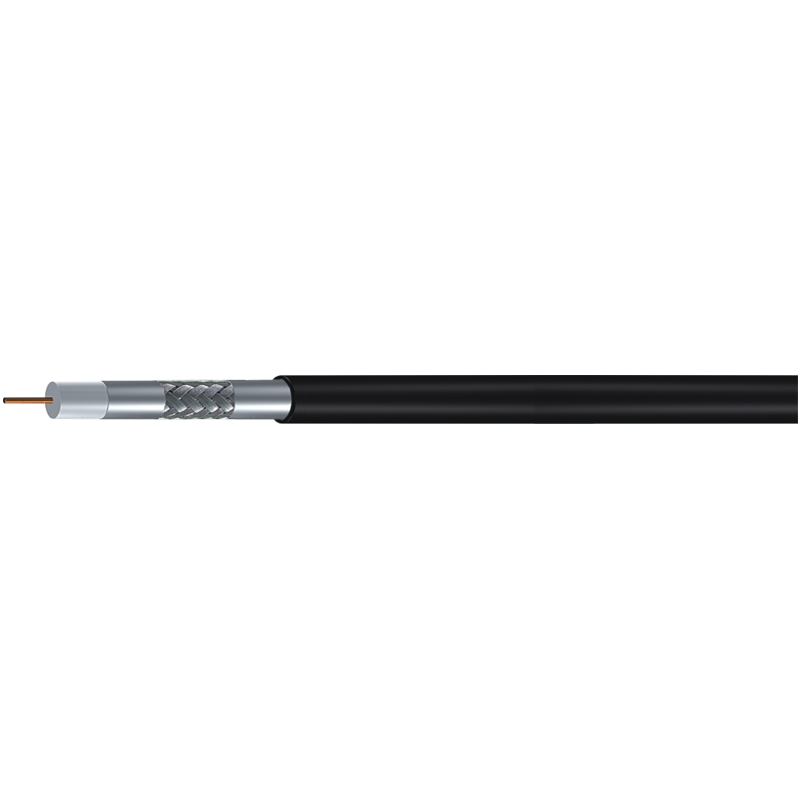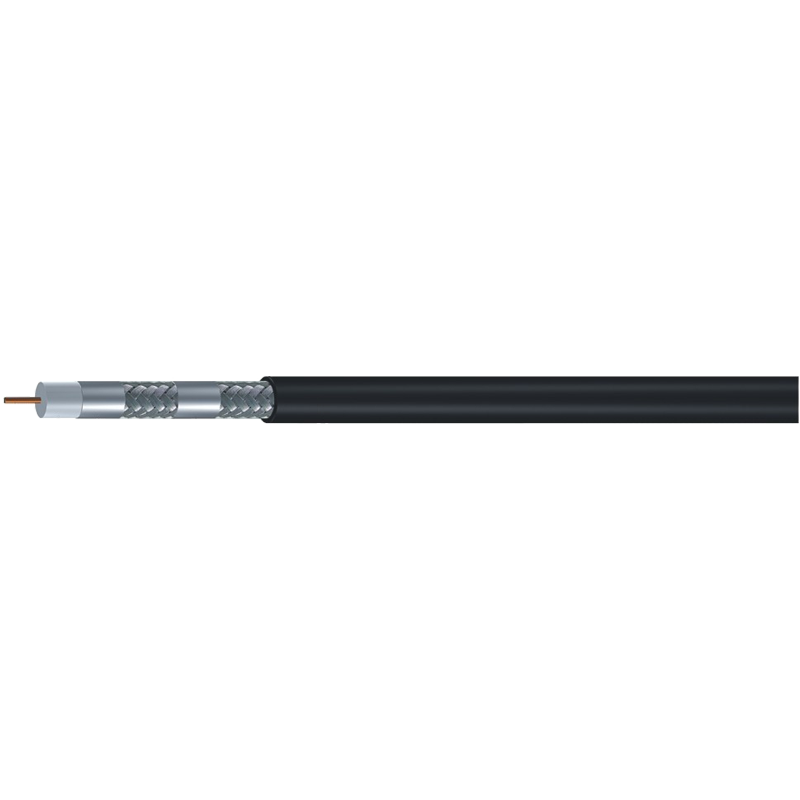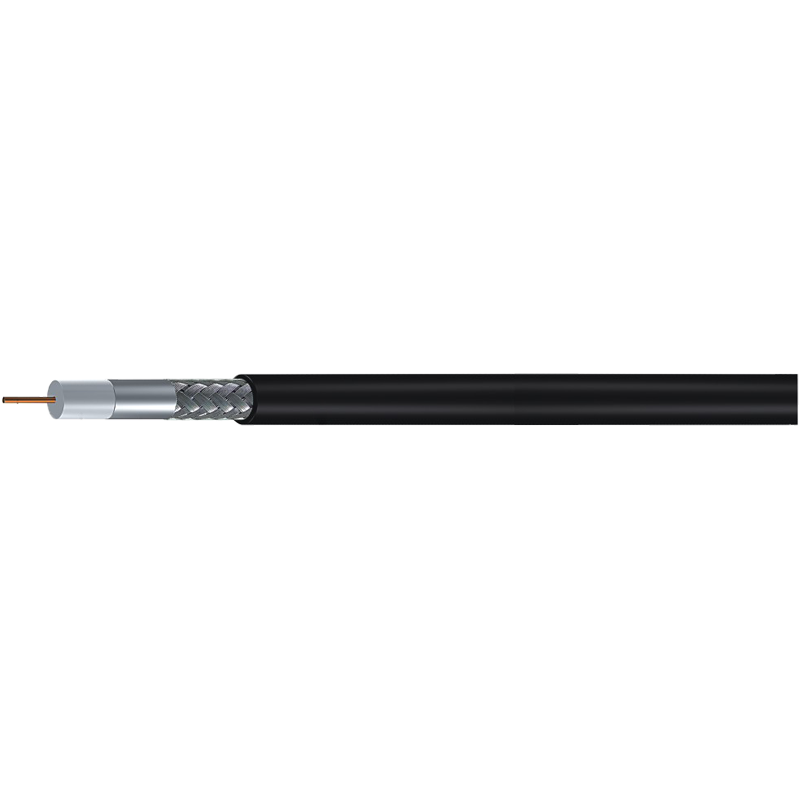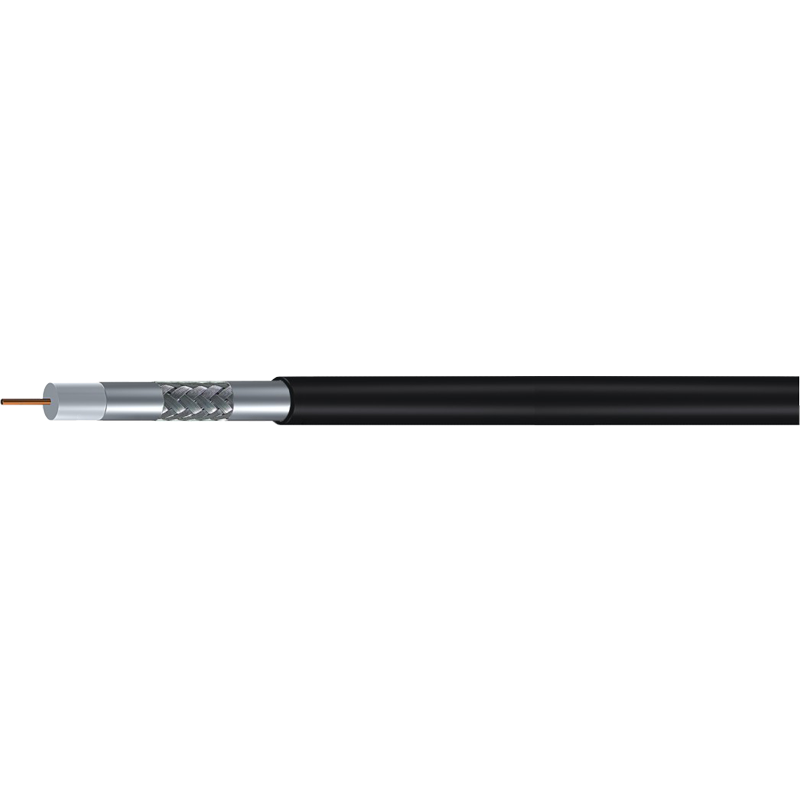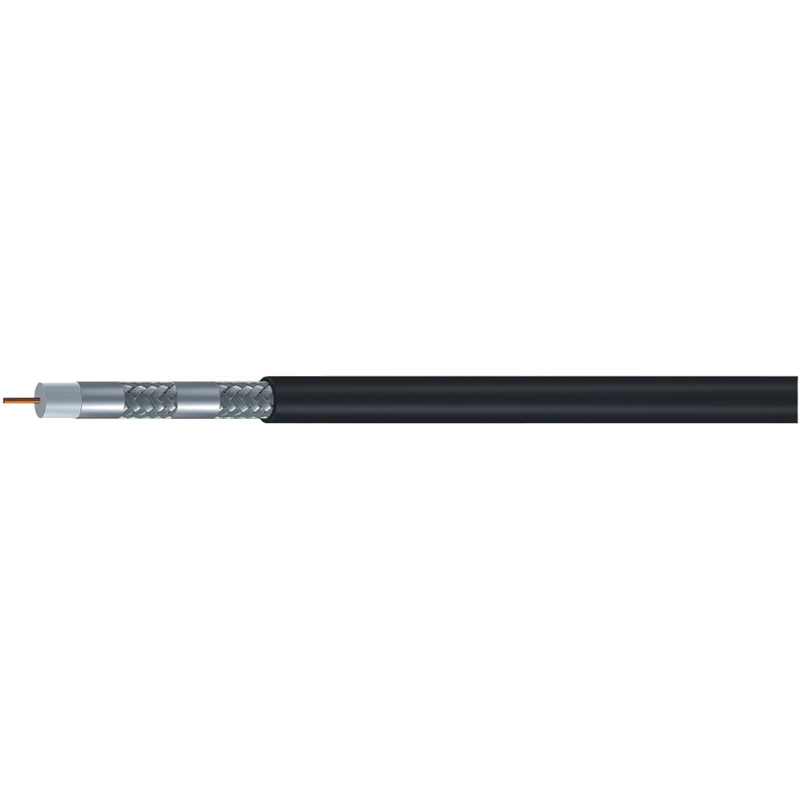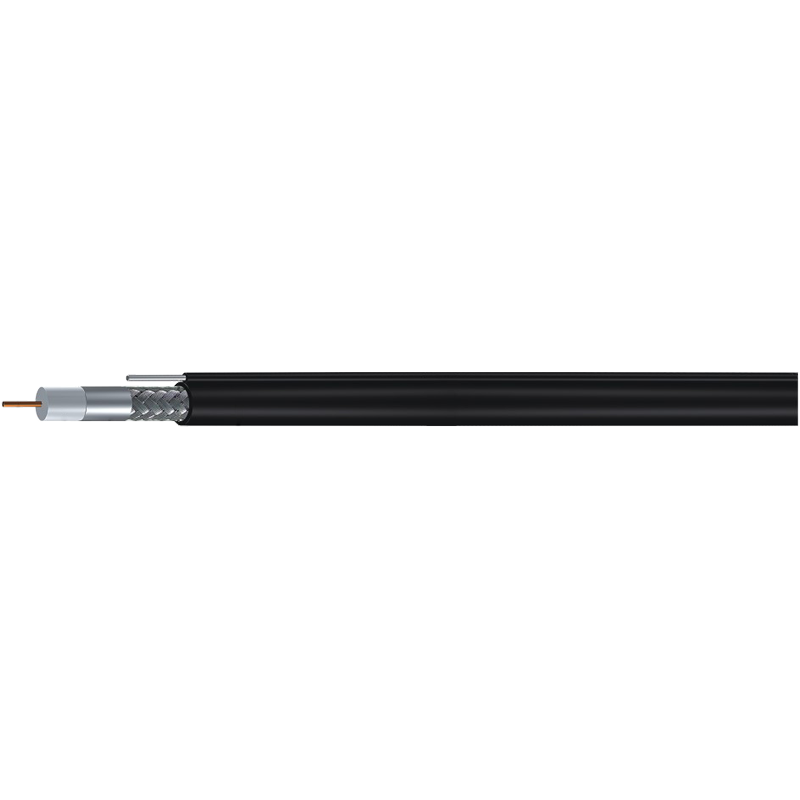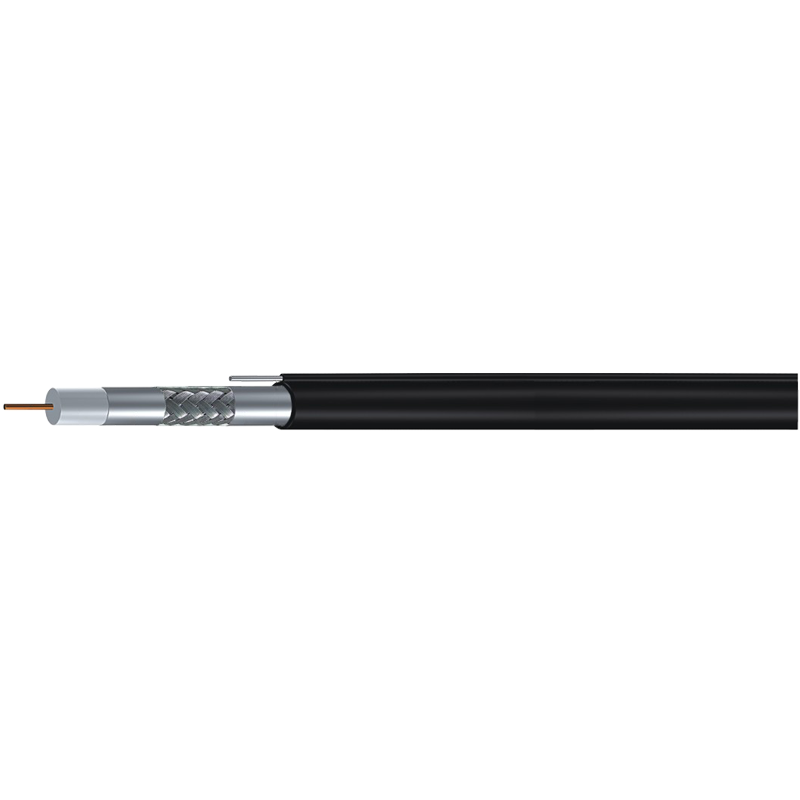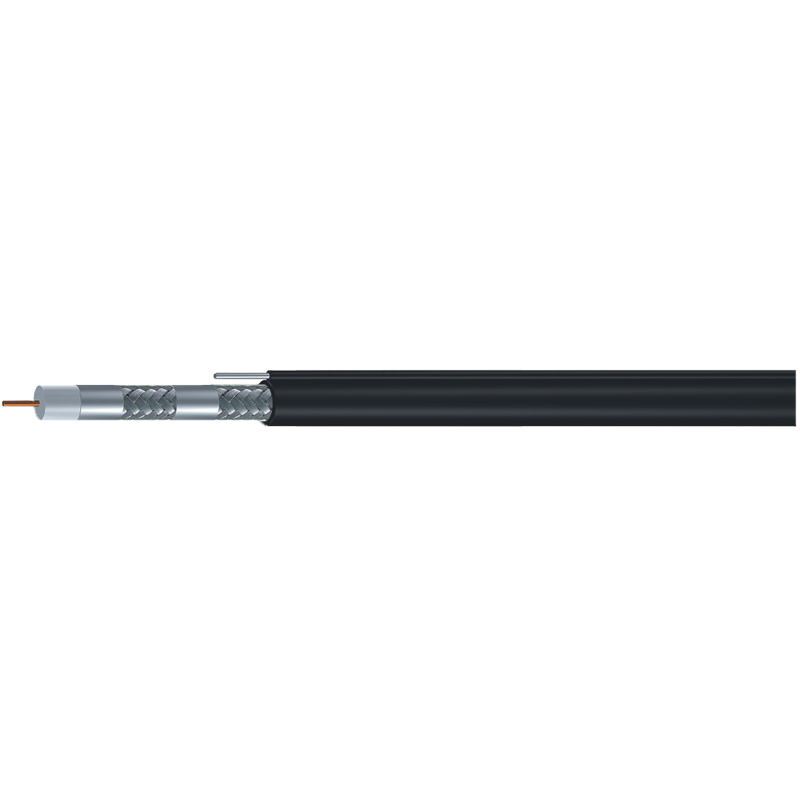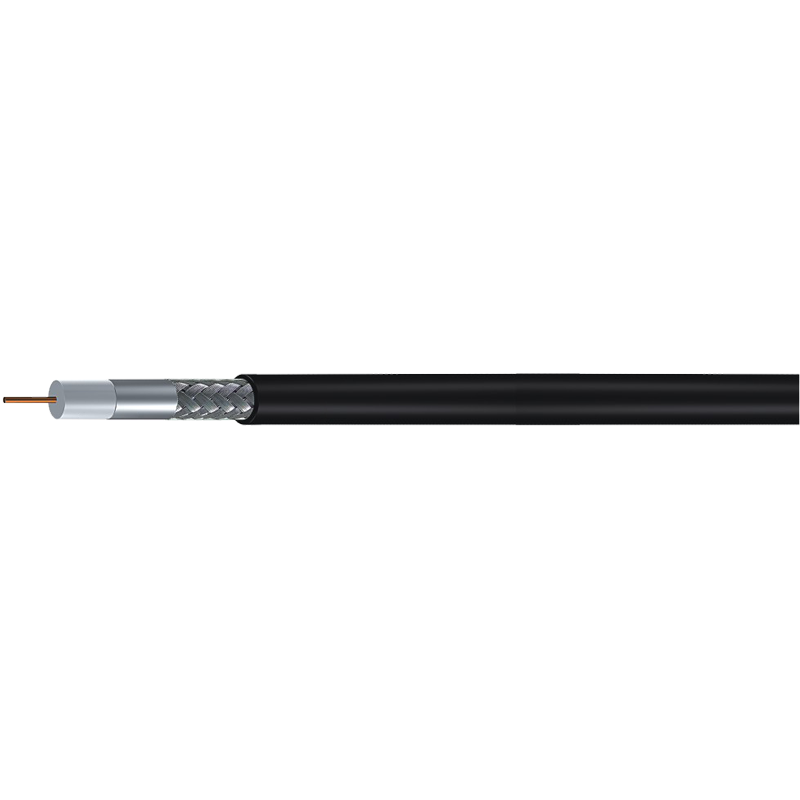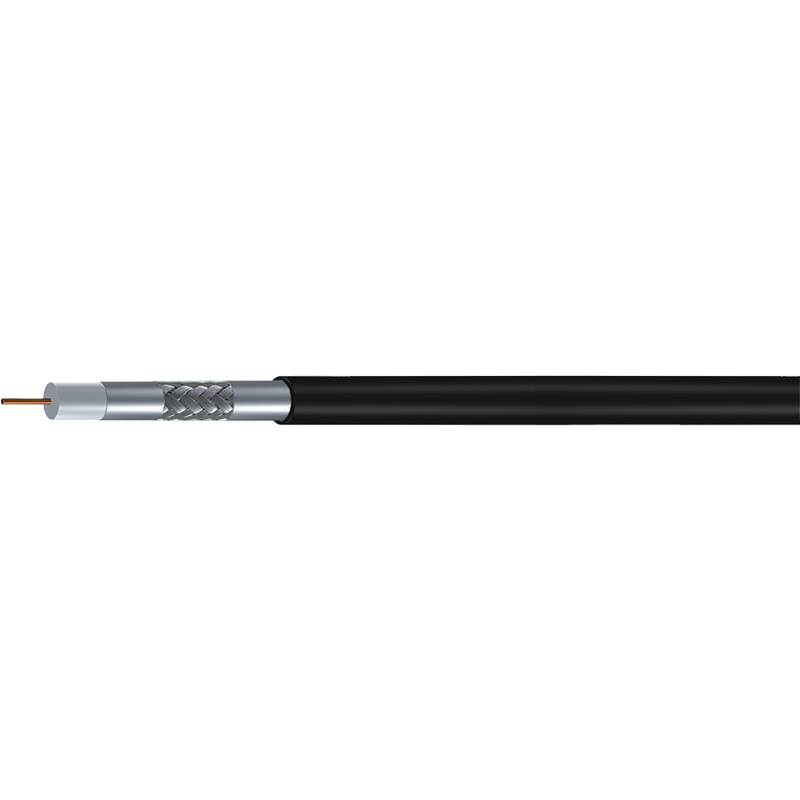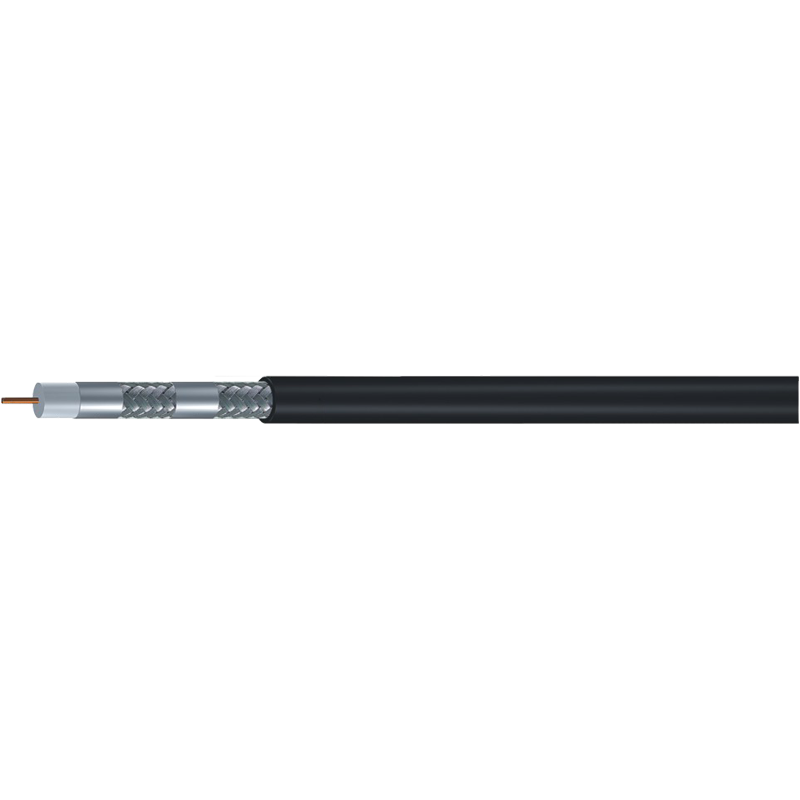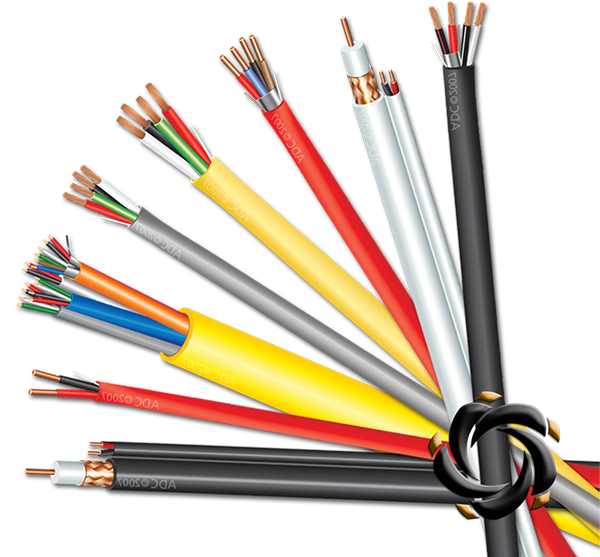
The direct conclusion is that RG11 Coaxial Cable performs exceptionally well in broadband distribution systems requiring long cable runs due to its low signal attenuation and strong shielding structure. It is specifically designed for scenarios where signal integrity must be preserved over extended distances, often exceeding 300–1000 feet depending on frequency and system design.
Compared to smaller-diameter coaxial options, RG11 Coaxial Cable provides significantly better long-distance signal retention, making it a preferred choice for backbone-level distribution in large residential buildings, commercial facilities, and outdoor infrastructure networks.
Signal Attenuation and Distance Efficiency in RG11 Coaxial Cable
One of the most important performance factors in RG11 Coaxial Cable is its low attenuation rate. At typical broadband frequencies (around 750 MHz), attenuation may range from approximately 1.5 to 2.0 dB per 100 feet, depending on installation quality and environmental conditions. This makes it highly suitable for long-distance transmission compared to standard coaxial alternatives.
In broadband systems, maintaining signal strength is critical because every decibel loss affects downstream performance. RG11 Coaxial Cable helps reduce the need for multiple signal amplifiers, lowering system complexity and improving reliability.
Comparison of Attenuation Characteristics
| Cable Type | Attenuation (per 100 ft @ 750 MHz) | Long Run Suitability |
|---|---|---|
| RG11 Coaxial Cable | 1.5–2.0 dB | Excellent |
| RG6 Type Cable | 2.5–3.5 dB | Moderate |
Broadband Distribution System Behavior Using RG11 Coaxial Cable
In broadband distribution systems, RG11 Coaxial Cable ensures stable signal propagation across multiple nodes. Its design minimizes impedance fluctuations, which is critical for maintaining consistent performance in high-frequency transmission environments.
When analyzing coaxial cable specifications, RG11 typically stands out due to its thicker conductor and enhanced shielding layers. These characteristics help reduce electromagnetic interference (EMI), especially in densely wired environments or industrial installations.
- Improved signal consistency across long distances
- Reduced need for inline amplification devices
- Better resilience in high-interference environments
Physical Size and Installation Considerations of RG11 Coaxial Cable
The physical dimensions of RG11 Coaxial Cable play a major role in its performance advantages. Its larger diameter compared to other coaxial types directly contributes to lower resistance and improved long-distance transmission efficiency.
When evaluating sizes of coaxial cable, RG11 is generally considered a heavy-duty option. However, this also introduces installation challenges such as reduced flexibility and higher bending radius requirements, which must be carefully planned in routing systems.
- Requires wider bending radius to avoid internal conductor stress
- Less flexible in tight conduit pathways
- Heavier weight increases installation effort over long runs
Cable TV and Broadband Application Relevance of RG11 Coaxial Cable
In modern infrastructure, RG11 Coaxial Cable is widely used in cable tv coaxial cable distribution networks where long-distance signal delivery is required. It is especially effective in multi-unit residential buildings, rural installations, and large commercial campuses.
Because broadband and television signals often share the same distribution infrastructure, RG11 ensures minimal degradation when signals are split across multiple endpoints. This makes it suitable for hybrid systems carrying both data and video traffic.
Practical Deployment Summary for RG11 Coaxial Cable Systems
In practical deployments, RG11 Coaxial Cable is most effective when used as the main trunk line in broadband distribution systems. It is not typically required for short indoor runs but becomes highly valuable when system architecture involves extended distances or multiple distribution points.
Engineers often select RG11 to optimize system performance while minimizing signal loss accumulation. In large-scale deployments, this leads to fewer amplification stages, reduced maintenance requirements, and improved long-term signal stability.